Toilet Unblocking in Christchurch: How We Cleared a Blocked Toilet With No External Access

A blocked toilet is one of those household problems that can quickly escalate from a minor inconvenience to a genuine emergency. When the blockage is straightforward, a plunger or a simple home remedy might do the trick. But what happens when there are no manholes or external access points to work with? That is exactly the situation we faced during a recent toilet unblocking job in Christchurch, and we wanted to share how we tackled it.
The Call: A Blocked Toilet in Christchurch
We received a call from a homeowner in Christchurch who was dealing with a toilet that had completely stopped draining. Water was rising in the bowl after every flush, and none of the usual DIY methods had worked. The homeowner had tried a plunger and even hot water to shift the blockage, but nothing was making a difference.
Understandably, they were worried about the situation getting worse and needed professional help quickly. As we offer a 24/7 emergency drainage service, we were able to respond promptly and get an engineer out to the property.
The Challenge: No Manholes or Access Points
When our team arrived on site, we quickly identified the main challenge. The property had no external manholes or inspection chambers that we could use to access the drainage system. In most drain unblocking jobs, we would typically lift a manhole cover, carry out a CCTV drain survey to locate the blockage, and then use high pressure jetting equipment to clear it from the outside.
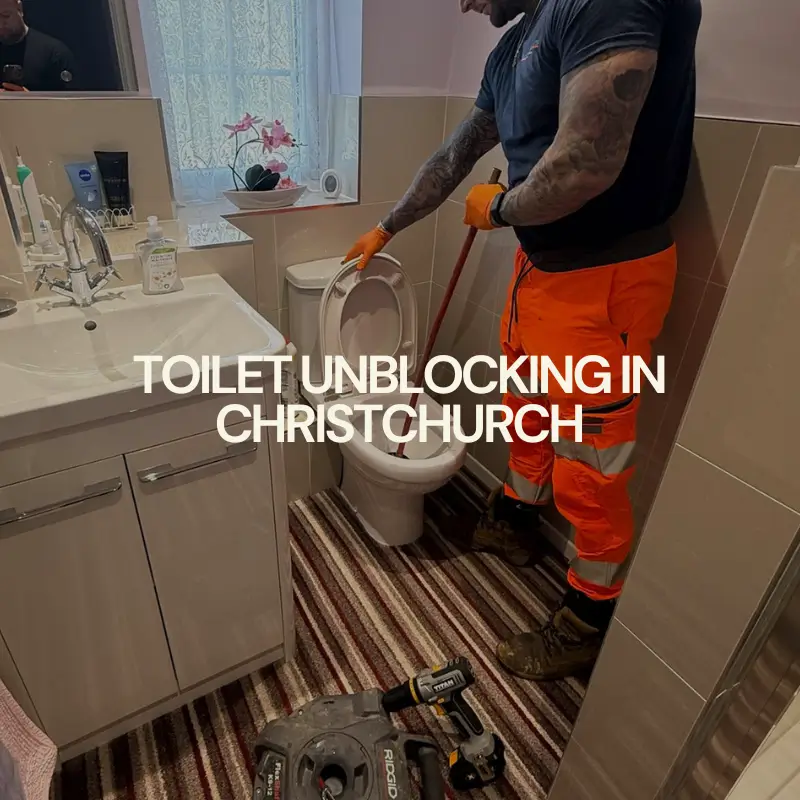
Without any of those access points available, we had to take a different approach entirely. Everything would need to be done from inside the property, working directly through the toilet itself.
Our Approach: Specialist Internal Unblocking Methods
With external access ruled out, our engineers used specialist machinery and internal unblocking methods to tackle the blockage head on. This involved carefully working through the toilet bowl to reach the obstruction deeper within the pipework.
Using professional-grade equipment designed for exactly these scenarios, we were able to break down and dislodge the blockage without causing any damage to the toilet or the internal pipework. This type of work requires experience and precision, as working through the toilet means navigating tight bends and limited space. It is not something we would recommend attempting without the right tools and training.
The blockage itself turned out to be a build-up of material that had accumulated over time, restricting the flow of water through the pipe. Once cleared, the toilet was draining perfectly again.
Signs Your Toilet Might Be Blocked
If you are a homeowner, it is worth knowing the early warning signs of a blocked toilet or a slow draining toilet so you can act before the problem gets worse. Here are some common signs to watch for:
- Water rising in the bowl after flushing rather than draining away quickly as it should.
- Gurgling sounds coming from the toilet or nearby drains when water is running.
- Slow draining water where the bowl takes much longer than usual to empty after a flush.
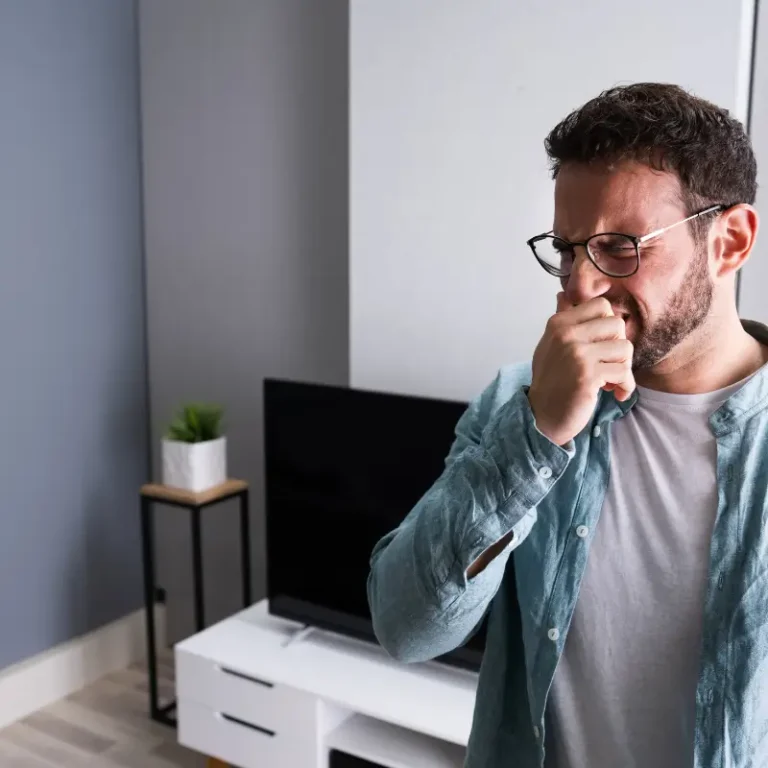
- Unpleasant smells around the toilet or in the bathroom, which can indicate a blockage further down the system.
- Other appliances backing up, such as sinks or showers draining slowly, which could point to a deeper issue within your drainage network. For more on this, take a look at our guide on the 5 signs your outside drain is blocked.
Catching these signs early can save you time, stress, and potentially costly repairs down the line.
What Causes a Blocked Toilet?
Toilet blockages can happen for a variety of reasons, and understanding the common causes can help you avoid them. Some of the most frequent culprits include:
- Excess toilet paper building up in the pipework over time.
- Non-flushable items such as wet wipes, sanitary products, and cotton wool being flushed. According to the Environment Agency, wet wipes are one of the biggest causes of sewer blockages in the UK.
- Foreign objects accidentally dropped into the toilet, such as children’s toys or bathroom products.
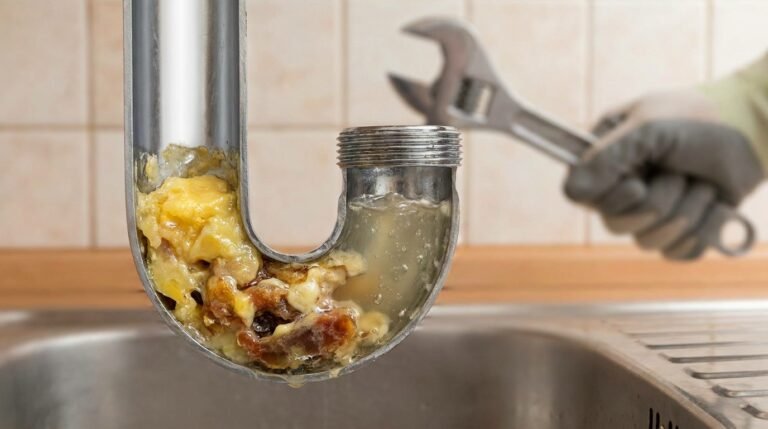
- Mineral and sediment build-up within the pipes, which gradually restricts water flow.
- Structural issues such as displaced or damaged pipework further along the drainage system.
If you are ever unsure about what is safe to flush, Anglian Water provides helpful guidance on the topic. As a general rule, only flush the three Ps: pee, poo, and (toilet) paper.
How to Help Prevent Future Toilet Blockages
Prevention is always better than cure. Here are a few practical steps you can take to keep your toilet and drains flowing freely:
- Be mindful of what you flush. Stick to toilet paper only and dispose of everything else in the bin.
- Use a plunger at the first sign of slow draining. A quick plunge can often prevent a minor issue from becoming a full blockage.
- Clean your toilet regularly. A weekly clean with a brush and appropriate cleaning product helps prevent build-up around the rim and U-bend.
- Consider periodic professional drain cleaning. Having your drains professionally jetted every couple of years can clear sediment and build-up before it becomes a problem.
For a more detailed look at clearing blockages yourself, our ultimate drain unblocking guide covers a range of scenarios and solutions.
When to Call a Professional for Toilet Unblocking
While minor blockages can sometimes be resolved with a plunger or a household remedy, there are situations where professional help is the safest and most effective option. If you have tried the basics and the toilet is still not draining, or if the problem keeps coming back, there is likely a deeper issue that needs investigating.
Properties with limited access, like the Christchurch home we visited, present an added layer of complexity. Without manholes or external chambers, specialist equipment and expertise are needed to resolve the blockage safely and effectively.
At Elite Drains, we deal with all types of blocked drains and toilet blockages across the South Coast, including situations where standard approaches simply will not work. With no call out fee and costs discussed before we arrive, you will always know where you stand before any work begins.
Need Emergency Drain Unblocking?
If you are dealing with a blocked toilet or a blocked drain and need help fast, we are here for you 24 hours a day, 7 days a week, 365 days a year. Whether your property has easy external access or none at all, our team has the experience and specialist equipment to get things flowing again.
To find out more about the areas we cover or to get in touch with our team, visit our contact page or give us a call. We are always happy to offer free advice over the phone.