How Weather Affects Drainage Systems in the South of England

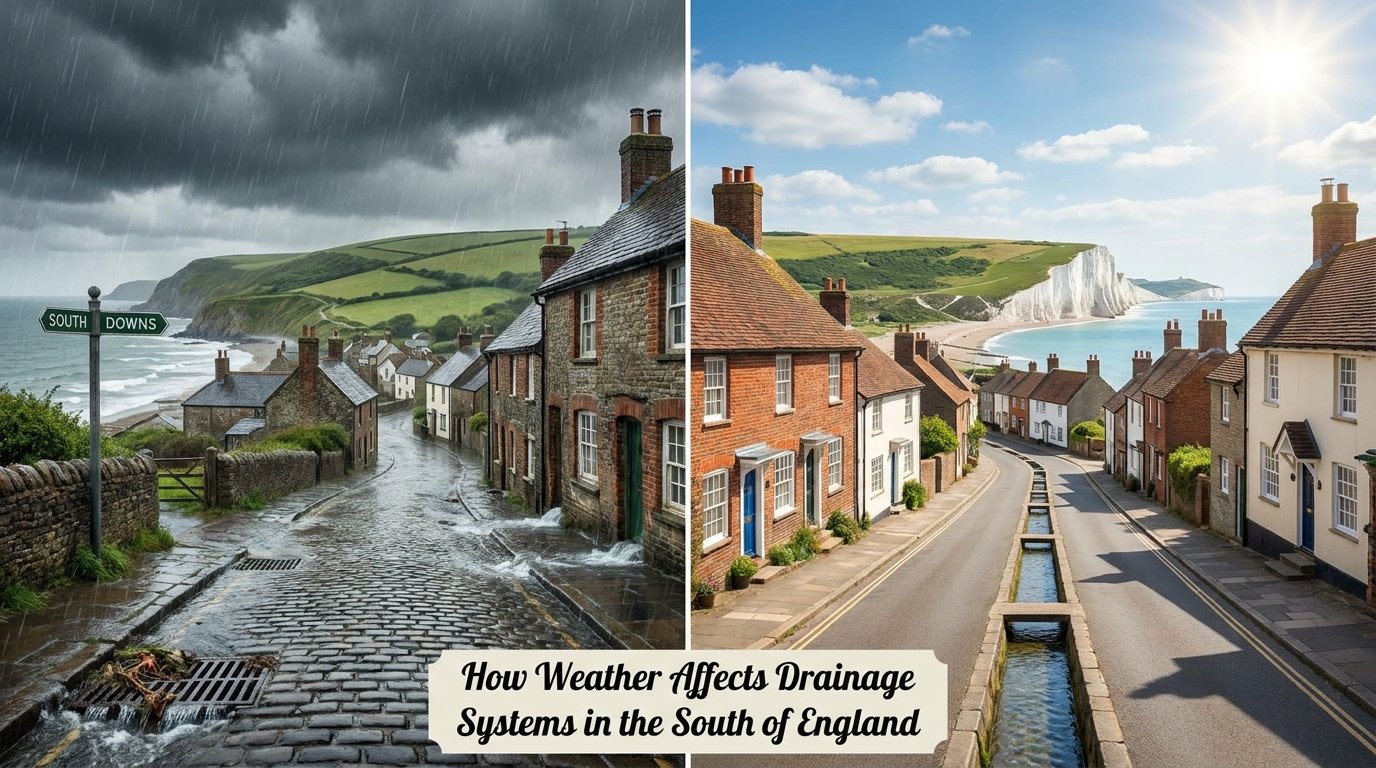
Living in the South of England means enjoying some of the country's milder weather, but it also means navigating a growing number of intense rainfall events, prolonged dry spells, and seasonal flooding. These shifts in weather patterns place enormous strain on residential and commercial drainage systems, and understanding that relationship is the first step towards protecting your property. As a drainage company serving the south coast, we see first-hand how weather affecting drainage systems across the UK can escalate from a minor inconvenience into a serious structural problem if left unaddressed.
Understanding the Types of Flooding That Affect Southern England
Not all flooding is the same, and the South of England is exposed to several distinct types, each of which interacts with your drainage system differently.
Surface water flooding (also known as pluvial flooding) occurs when heavy rainfall overwhelms the capacity of drains and sewers. This is the most common type of flooding affecting urban and suburban areas across the south coast, and it tends to happen rapidly, leaving homeowners with very little warning.
Groundwater flooding is particularly prevalent across parts of southern England, especially in areas with chalk geology such as Hampshire, Kent, and parts of Sussex. When prolonged rainfall raises the water table, groundwater can rise into basements, gardens, and drainage infrastructure, causing disruption that can last for weeks.
Fluvial flooding, caused by rivers breaking their banks, can also affect properties near watercourses throughout the region. According to The Flood Hub, 6.3 million properties in England are at risk of flooding from one or more of these sources, making it a concern that simply cannot be ignored.
How Climate Change Is Increasing the Pressure
The frequency and intensity of extreme weather events is increasing, and the South of England is not exempt. Research from the LSE Grantham Institute confirms that as the atmosphere warms, it holds more moisture, which is then released during more intense and concentrated rainfall events. This creates significant hydrological pressure on drainage infrastructure, much of which was designed decades ago and was never built to cope with the volumes of water we are now seeing.
At the same time, extended dry periods cause the ground to harden and crack, meaning that when rainfall does arrive, water struggles to penetrate the soil and instead runs off the surface, placing added pressure on drains and soakaways. This cycle of drought followed by intense rainfall is becoming increasingly common and is one of the key drivers behind drainage failures in properties across the region.
The UK Government has acknowledged the scale of the challenge, with guidance on flood risk and coastal change outlining the importance of planning ahead for a changing climate at a local level.
Common Drainage Issues Caused by Extreme Weather
Heavy rain does not just cause flooding; it can also accelerate existing drainage problems or create entirely new ones. Some of the most common issues we are called out to address following severe weather include:
- Blocked drains and gullies: Debris such as leaves, silt, and grit washed in by heavy rainfall can quickly accumulate in drain channels, causing blockages that prevent water from draining away effectively. If you notice standing water after rain, it is worth checking out the five signs your outside drain may be blocked before the problem worsens.
- Structural damage to pipework: The movement of waterlogged soil, combined with the increased volume of water flowing through pipes, can cause joints to crack, shift, or even collapse. This kind of damage is not always visible from the surface, which is why professional assessment is so important.
- Soakaway failure: Soakaways work by dispersing surface water into the surrounding ground. During periods of sustained rainfall, when the ground is already saturated, soakaways can become overwhelmed and stop functioning as intended.
- Off-mains drainage problems: Septic tanks and treatment plants can be significantly affected by groundwater ingress during flooding, leading to inefficient treatment, unpleasant odours, and potential overflow. Properties on off-mains systems in rural parts of the south are particularly vulnerable during prolonged wet weather.
Sustainable Drainage Systems: A Long-Term Approach
For homeowners looking to reduce their vulnerability to weather-related drainage issues, Sustainable Drainage Systems (SuDS) offer a well-established and effective approach. Rather than channelling rainwater rapidly into existing drainage networks, SuDS manage surface water closer to where it falls, using features such as permeable surfaces, swales, and soakaways to slow the flow and reduce runoff.
The UK Government's National Standards for Sustainable Drainage Systems set out the framework for how these systems should be designed and maintained. Our specialist soakaway installation team is here to guide you through the soakaway installation process and help you find the right solution for your property, helping to manage surface water sustainably and reduce the risk of repeat flooding.
What to Check After a Period of Extreme Weather
Following a period of heavy rain or flooding, it is worth carrying out a few basic checks on your drainage system. Look out for signs of slow drainage, unusual gurgling sounds from your toilets or sinks, waterlogging in the garden, or any visible damage around drain covers and inspection chambers.
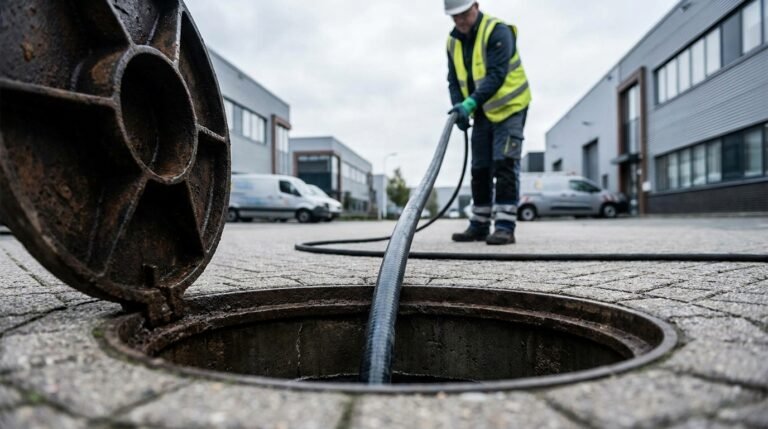
If you suspect that your underground pipework may have been affected, a professional CCTV drain survey is the most effective way to assess the internal structure and integrity of your drains without any disruptive digging. If damage is identified, our team can advise on the most appropriate course of action, whether that is drain cleaning, drain repair, or drain relining.
Here to Help, Whatever the Weather
At Elite Drainage Services, we understand that drainage problems rarely happen at a convenient time. That is why we offer a 24/7 service across the south coast, with no call-out fee and honest pricing that is always discussed before we arrive. Whether you are dealing with the immediate aftermath of a downpour or planning ahead for a more resilient drainage system, our professional engineers are ready to help.
We are currently running a Winter Special Offer with 15% off your bill, so if you have been putting off a drainage inspection or soakaway check, now is an excellent time to act. Get in touch with our team today and we will be happy to talk you through your options with no obligation.